
Documentation Strategy
Essential Documents for Artist Visa Applications
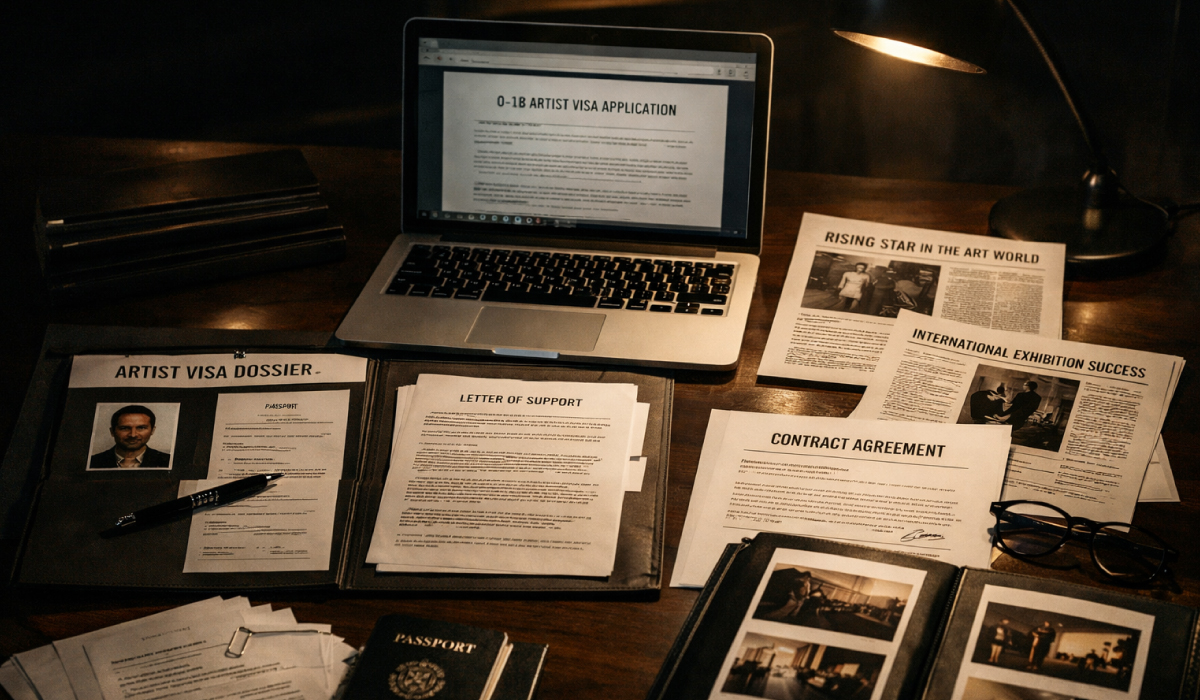
In artist visa applications, documentation is not a formality, it is the case itself. U.S. immigration decisions are based on how your career is evidenced, structured, and presented. Strong profiles fail when documentation is weak; average profiles succeed when documentation is precise and strategic.
This guide outlines the essential documents required for O-1, EB-1, and P-3 visas, and how to organize them to demonstrate recognition, credibility, and professional impact within your field.
1. Core Documentation Categories
Every successful case is built on clearly defined categories of evidence. Immigration officers evaluate consistency across multiple dimensions, not isolated achievements.
2. Essential Evidence Types
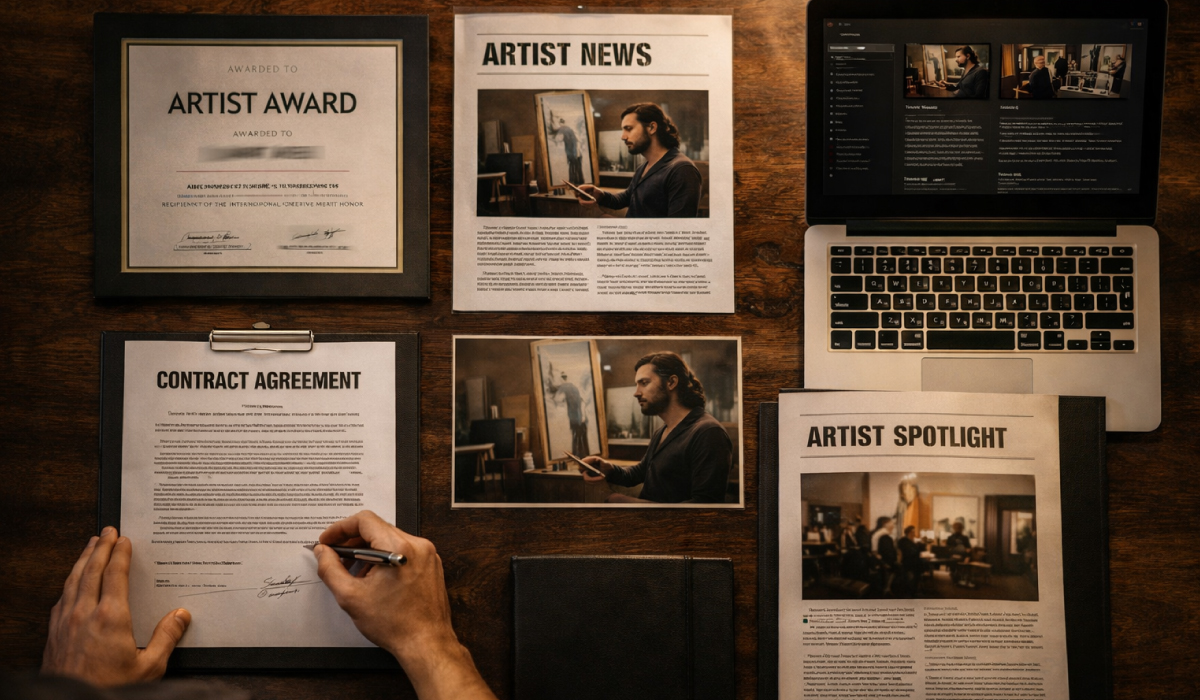
Your documentation must prove not only activity, but relevance and recognition. Each document should support a clear argument within your case.
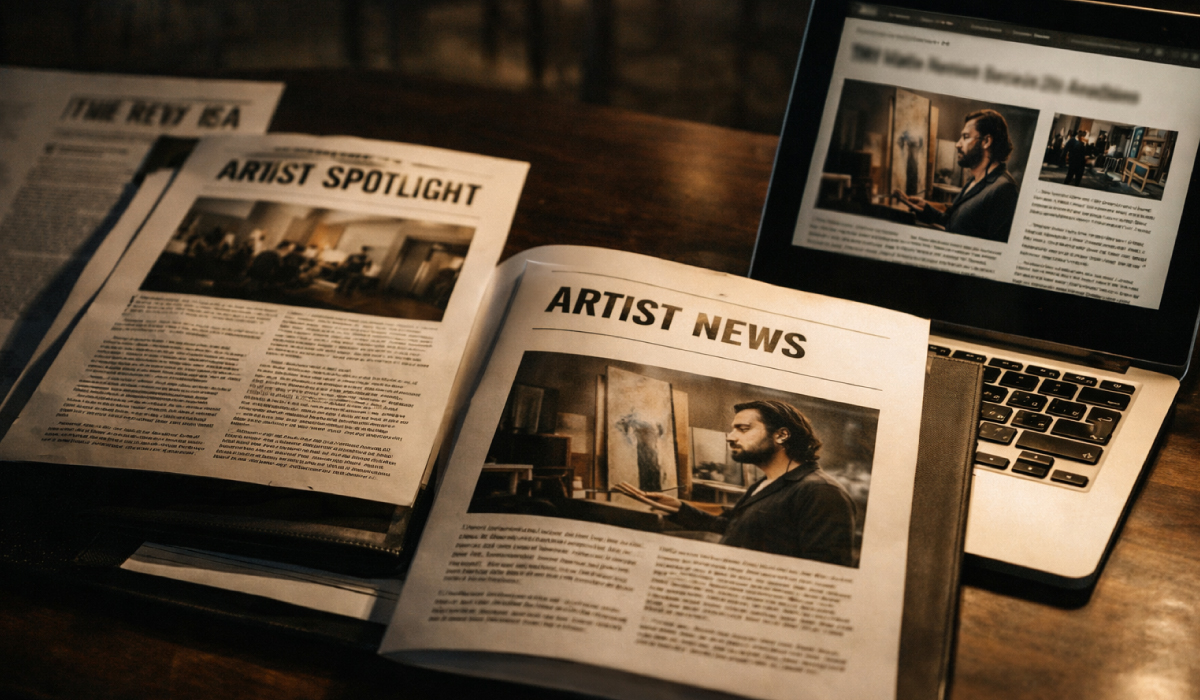
- Press articles, interviews, and media features
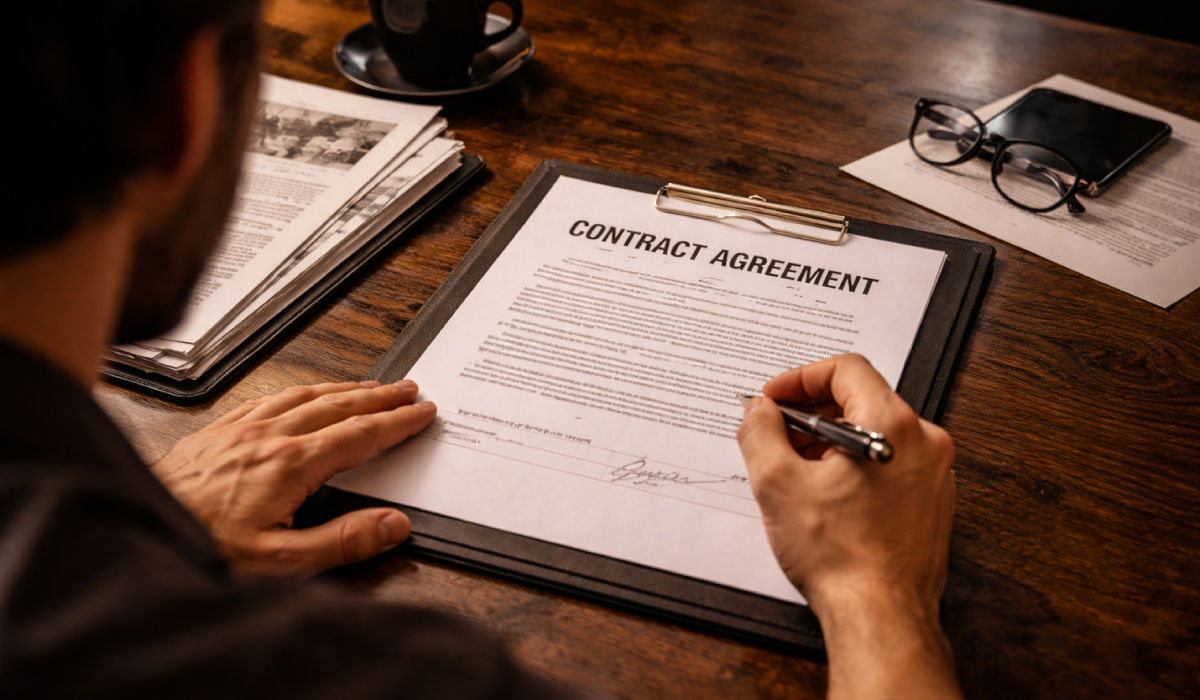
- Contracts, performances, or exhibitions
- Awards, nominations, or official recognitions
- Letters of recommendation from industry professionals
- Portfolio of work (audio, video, visual or written)
3. Structuring Your Portfolio
Documentation alone is not enough, structure defines impact. A strong portfolio is organized, easy to navigate, and aligned with the visa criteria. Each section should reinforce a specific claim: recognition, leadership, or contribution to the field.
Immigration officers do not interpret raw material, they evaluate structured evidence.
4. Common Documentation Mistakes
The most common issue is not lack of experience, but lack of clarity. Untranslated documents, missing context, inconsistent timelines, or irrelevant materials can weaken an otherwise strong case. Precision and curation are critical at every stage.